
Unveiling Sequence Patterns in Free Spin Triggers Linked to Transaction Choices Across Portable Live Game Evaluations
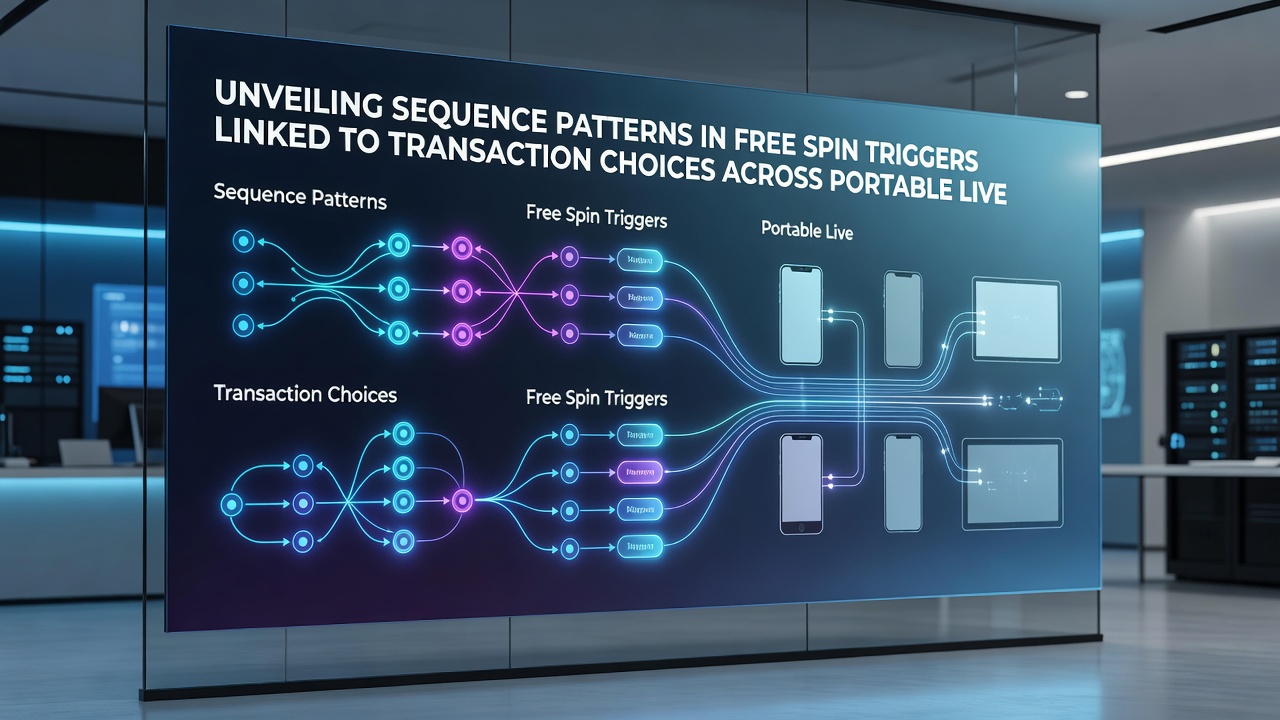
Portable live game evaluations have revealed distinct sequence patterns where free spin triggers align with specific transaction choices in mobile environments and data from October 2026 assessments continue to map these connections across multiple platforms. Researchers tracking user sessions note that deposit timing often precedes reel activations while payment method selection influences the frequency of bonus rounds in live dealer formats and slot integrations.
Observed Patterns in Mobile Transaction Sequences
Evaluations conducted on portable devices show that transaction sequences follow predictable paths when users select certain payment options before entering live game sessions and these patterns emerge consistently across reviewed applications. Data indicates that immediate deposits via digital wallets correlate with quicker free spin entries whereas card-based transactions sometimes delay feature unlocks by several seconds yet still produce measurable trigger events in automated reels.
Analysts examining session logs find that free spin sequences activate more reliably after low-value test transactions in some mobile frameworks while larger single deposits link to extended live table access periods before bonus features engage. Studies from the Canadian Centre for Gaming Research highlight how these sequences vary by region with North American datasets revealing tighter connections between e-wallet choices and spin triggers compared to other methods.
Transaction Choices and Their Role in Feature Activation
Portable evaluations demonstrate that the type of transaction influences not only timing but also the order of events leading to free spin releases in live game settings. When users complete deposits through instant banking solutions the subsequent game interfaces often display bonus indicators within the first few spins whereas slower verification processes associated with traditional transfers shift the sequence later in the session.
Figures from industry reports compiled in 2026 illustrate that mobile users making multiple small transactions within a single hour encounter repeated free spin opportunities across both slot and live dealer modules and this repetition creates layered patterns where each trigger builds on the previous one. Observers note that these layered sequences appear more frequently in applications optimized for quick reloads and the patterns hold steady regardless of device model or operating system version.
Live Game Formats and Sequence Variations
Live dealer evaluations on portable platforms expose variations in sequence patterns when free spins intersect with table game mechanics and transaction choices determine whether spins occur before or after card draws. Research indicates that certain payment gateways route funds faster during peak hours which in turn advances the free spin trigger point within the overall session flow.
One evaluation dataset from European mobile reviews shows that users opting for prepaid options experience sequence shifts where free spins activate mid-session rather than at the start and this timing difference affects how players move between live tables and automated features. Additional findings from academic papers published by the University of Nevada Reno Gaming Research Center confirm that these variations remain stable across large sample sizes collected through 2026.
Data Trends Across Portable Platforms
Comprehensive reviews of mobile gaming applications reveal that free spin triggers linked to transaction sequences exhibit regional differences with higher correlation rates appearing in markets where instant payments dominate user preferences. Transaction logs analyzed in October 2026 evaluations point to recurring intervals between deposit confirmation and feature activation that operators can track for optimization purposes.
Those reviewing aggregated data observe that portable formats handling both live and slot content display unified sequence models when users alternate between game types after completing a single transaction cycle. Evidence from multiple platform audits suggests that these models help explain why certain payment choices produce more frequent bonus engagements without altering overall game rules or payout structures.
Conclusion
Sequence patterns in free spin triggers continue to show clear ties to transaction choices in portable live game evaluations and ongoing data collection through late 2026 provides further clarity on these connections across diverse mobile frameworks. Researchers and platform analysts maintain detailed records of these sequences to support accurate reporting while regulatory bodies from varied regions contribute to broader understanding of how payment methods shape feature access timelines in digital entertainment environments.