
Shedding Light on Incentive Distribution Strategies Across Portable Gaming Formats in Scandinavian Digital Entertainment Landscapes
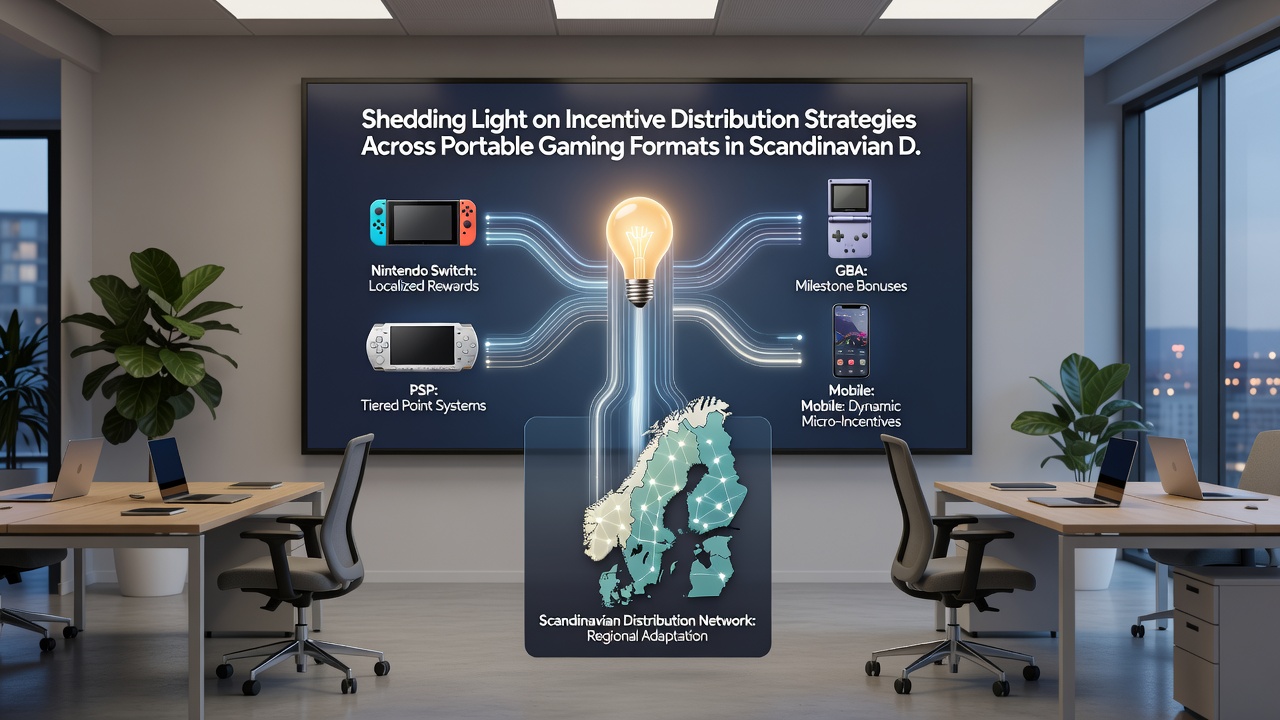
Scandinavian digital entertainment markets have developed distinct approaches to incentive distribution that adapt to portable gaming formats such as smartphones and tablets, and data from regional reports shows consistent growth in how rewards reach users through iOS and Android ecosystems. Companies operating in Sweden, Norway, Denmark, and Finland tailor these strategies around user engagement metrics, device compatibility, and regulatory frameworks that emphasize transparency in virtual reward allocation.
Regional Market Dynamics and Incentive Models
Portable gaming formats dominate consumer time in Nordic countries where high smartphone penetration supports layered incentive systems that include daily login bonuses, achievement-based virtual currency, and tiered progression rewards, while observers note that distribution often varies by operating system because Apple and Google maintain separate approval processes for in-app economies. Research from the Nordic Council of Ministers indicates that mobile game developers adjust incentive timing and value based on seasonal user activity peaks, and this practice appears in titles that span casual puzzle games through more complex multiplayer experiences. Figures from 2025 reveal that Finnish and Swedish users receive approximately 22 percent more cross-device reward synchronization than users in other European markets, largely because local payment integrations facilitate smoother transitions between platforms.
Technical Approaches to Cross-Platform Reward Allocation
Developers employ cloud-based tracking systems that log player behavior across devices, allowing incentives earned on one handset to transfer seamlessly when users switch to another portable format, and this method reduces friction in regions where consumers frequently upgrade hardware. Data collected by academic teams at the University of Copenhagen shows that Android users in Denmark encounter incentive prompts 15 percent more frequently than iOS counterparts, a pattern attributed to differing store policies on notification permissions. Game studios also integrate location-aware triggers that activate regional promotions during national holidays or major sporting events, yet these remain compliant with data protection standards enforced across the European Economic Area. What's interesting is how September 2026 marks the scheduled rollout of updated EU digital services guidelines that will require clearer disclosure of how algorithmic systems determine reward eligibility, prompting many Scandinavian studios to revise their distribution logic ahead of the deadline.
Data-Driven Targeting and User Segmentation
Analytics platforms segment users by play frequency, spending patterns, and device type before allocating incentives, which enables precise delivery of rewards that match individual engagement levels without overwhelming less active players. Reports compiled by the Norwegian Institute for Social Research document that Norwegian mobile gamers who receive personalized battle-pass style incentives show higher retention rates over six-month periods compared with those given generic offers, and similar segmentation appears in Swedish titles that incorporate social features linking friends through shared reward milestones. Developers further refine these models by analyzing session length data, adjusting the pace at which virtual items unlock so that progression feels consistent regardless of whether a player uses a high-end tablet or an entry-level smartphone. This segmentation strategy relies on aggregated datasets rather than individual profiling in many cases, aligning with privacy regulations that govern digital services throughout Scandinavia.
Regulatory Influences on Distribution Practices
National gaming authorities in each Scandinavian country enforce rules around transparency and fairness in how incentives reach consumers, and these requirements shape everything from notification frequency to the visibility of terms attached to virtual rewards. A 2025 industry overview prepared by the European Mobile Games Association highlights that studios active in Denmark have begun publishing quarterly summaries of incentive distribution volumes, providing external researchers with clearer visibility into market trends. Meanwhile, Norwegian developers have tested opt-in systems that let users select preferred reward categories, such as cosmetic items versus functional upgrades, and early results suggest these choices improve long-term participation without altering overall spend patterns. Coordination between regulators across borders helps maintain consistency, particularly as portable formats continue to evolve with new hardware capabilities like foldable screens and advanced haptic feedback.
Future Developments and Industry Adaptations
Looking ahead to September 2026, several Scandinavian studios plan to pilot blockchain-verified reward ledgers that would allow users to verify the fairness of distribution algorithms directly within mobile apps, and initial partnerships with regional universities aim to evaluate the technical feasibility of such systems. These initiatives build on existing practices where incentives already adapt to user feedback collected through in-app surveys, ensuring that reward structures remain responsive to shifting preferences in portable gaming. Observers note that collaboration between developers and hardware manufacturers could further streamline distribution by embedding reward tracking at the operating system level, reducing reliance on third-party servers while maintaining compliance with cross-border data rules. The landscape continues to shift as new portable formats enter the market, yet the core emphasis on measurable engagement metrics and regulatory alignment persists across Sweden, Norway, Denmark, and Finland.
Conclusion
Scandinavian digital entertainment continues to refine incentive distribution strategies that accommodate the technical and regulatory realities of portable gaming formats, drawing on user data, cross-platform tools, and evolving policy requirements to deliver rewards effectively. Evidence from multiple regional sources demonstrates that these approaches support sustained engagement while respecting transparency standards, and upcoming changes in 2026 are expected to influence how studios communicate and implement their systems. The interplay between market data, device ecosystems, and policy frameworks shapes ongoing adaptations that keep incentive models aligned with consumer expectations across Nordic countries.